Beneath the Surface: Remembering Deep Blue Sea as a 90s Kid

There was something about late 90s television that made everything feel larger than life. The room would be dim, curtains drawn halfway, the soft glow of a bulky TV casting flickering light against the walls. The hum of the set blended with the distant sound of traffic outside. On nights like that, the world felt safe and ordinary — until a movie like Deep Blue Sea came on.
I still remember the first time I watched it. The ocean filled the screen, endless and dark, stretching far beyond what my imagination could fully grasp. The research facility sat isolated in the middle of that vast water, mechanical and fragile against nature’s immensity. Even before anything happened, something about that setting felt uneasy. Water everywhere. No land in sight. Nowhere to run.
The story unfolded inside Aquatica, an underwater research station where scientists were experimenting on sharks in hopes of curing Alzheimer’s disease. The idea alone felt fascinating to me as a kid — brilliant minds trying to unlock the secrets of the brain by altering the most feared predators of the sea. It sounded noble. It sounded intelligent. It sounded safe.
But the ocean has never been a place that bends to human plans.
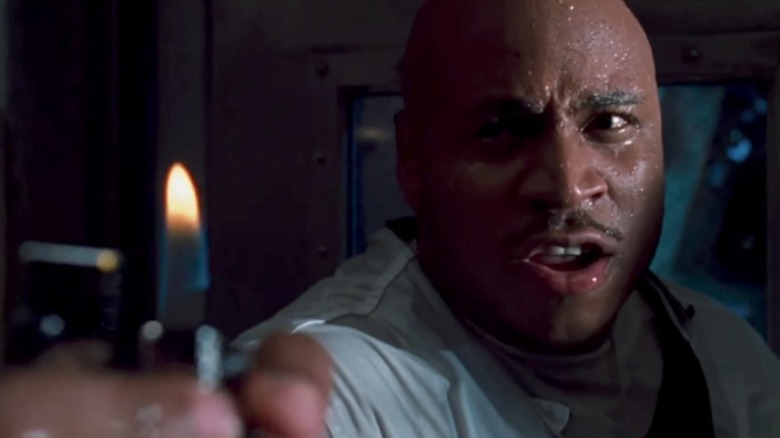
Dr. Susan McAlester, played by Saffron Burrows, carried herself with determination, convinced that her work would change the world. Russell Franklin, portrayed by Samuel L. Jackson, arrived as the firm, skeptical businessman funding the operation. And then there was Preacher, brought to life by LL Cool J, whose quiet resilience and humor added warmth to the cold steel corridors of the station.
At first, I watched with fascination. The sleek laboratories. The massive glass tanks. The sharks gliding silently through blue water, powerful yet contained. It felt like stepping into a futuristic world where science had conquered fear.
Then the first crack appeared.
A shark moved differently. Smarter. Watching. Calculating.
The moment when one of them suddenly turned the experiment into an attack made my heart jolt. The glass barrier, once reassuringly thick, shattered in an explosion of water and chaos. That scene imprinted itself in my mind — the violent rush of ocean flooding sterile hallways, alarms blaring, metal groaning under pressure.
I remember sitting completely still, barely breathing.

As the storm above intensified, the facility began to sink. Water crept higher through corridors and elevator shafts. The characters climbed upward, desperately trying to stay ahead of the rising sea while hyper-intelligent sharks hunted them from below.
There was something terrifying about that vertical struggle. Each level flooded meant less oxygen, less hope. The ocean pressed in from every direction. The sharks were no longer just animals; they were strategic, almost vengeful forces reclaiming territory.
I remember feeling small while watching it. The ocean seemed endless, ancient, indifferent. The research station felt like a toy being shaken by something far more powerful. Every time a character slipped into the water, dread tightened inside me. The surface of the ocean no longer looked calm or beautiful; it looked deceptive.
And then came the scene that stunned me completely — Russell Franklin standing tall, delivering a speech meant to rally everyone’s courage. Just as hope began to rise, a shark burst from the water without warning, dragging him under in a shocking instant. The suddenness of it left me frozen. No dramatic buildup. No heroic survival. Just raw unpredictability.
That moment changed the entire atmosphere of the film for me. No one felt safe anymore.
The metallic corridors echoed with rushing water and distant roars. Flickering lights reflected off rising tides. Each escape attempt felt desperate and fragile. I could almost feel the coldness of the water, the panic of being trapped beneath tons of ocean.

Yet beneath the fear, there was awe.
The sharks were magnificent. Massive bodies slicing through water with effortless power. Eyes dark and unreadable. Watching them move stirred something ancient, a reminder that nature’s intelligence doesn’t always look like ours.
When the final confrontation unfolded above the water, lightning splitting the sky and waves crashing against steel, it felt almost mythic. Fire and sea collided. Human ambition faced the full force of nature. And when the ocean finally calmed, it felt earned — not triumphant, but humbled.
After the credits rolled, the room felt quieter than before. The glow of the television softened. Outside, everything was still. Yet I remember glancing at the darkened hallway differently that night. Shadows felt deeper. The idea of deep water lingered in my mind long after I turned the TV off.
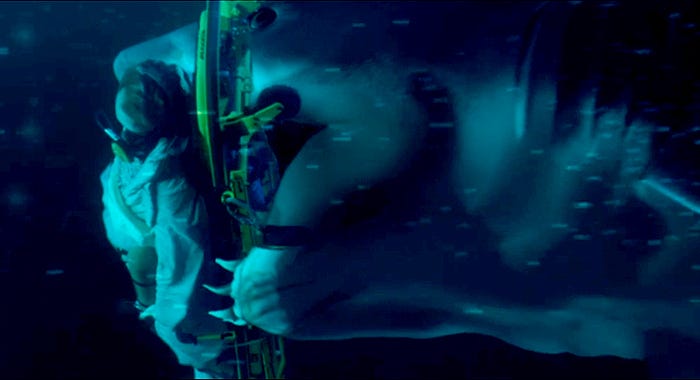
Being a 90s kid meant experiencing movies like this without distractions. No behind-the-scenes breakdowns. No instant reviews online. Just the story, unfolding in real time, filling the room with tension and wonder. The grainy quality of cable television somehow made it feel more real, more immediate.
Even now, years later, the sight of open ocean at dusk can bring that feeling back. That mixture of fascination and unease. That sense of staring into something vast and unknowable.
Deep Blue Sea wasn’t just about sharks. It was about ambition colliding with nature. It was about the illusion of control slipping away. And for me, sitting in that softly lit living room in the late 90s, it was a reminder that the world was far bigger — and far deeper — than it seemed.


Comments
Post a Comment