A Night the Ocean Stood Still: Remembering Titanic as a 90s Kid
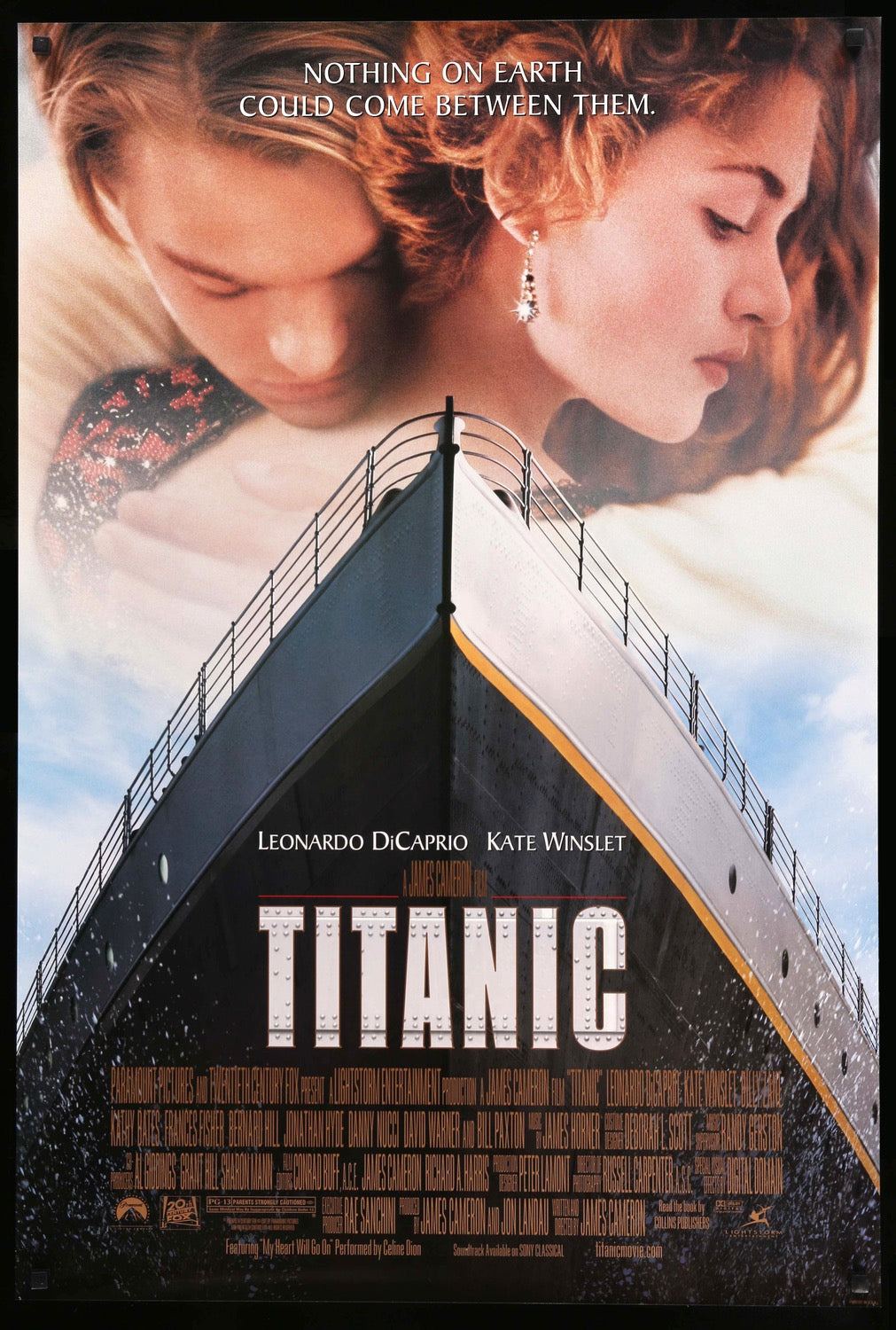
The night I first watched Titanic, the world outside my window felt ordinary. Inside the living room, history was about to sink. The film opened with the quiet mystery of the ocean floor, beams of light cutting through deep blue darkness. The wreck lay there like a sleeping giant, silent and broken.
I remember leaning forward, fascinated by the idea that something so massive could rest unseen beneath miles of water. The treasure hunters exploring the remains felt like explorers of a forgotten world, brushing dust from memories buried in steel.
The Ship Rose Again
Then the story shifted. The ship rose again — not from the ocean, but from time itself. The RMS Titanic appeared in all her glory, gleaming and proud as she prepared to leave port. Smoke billowed from her funnels. Crowds gathered. Music swelled.
I could almost feel the excitement of departure filling the air. It didn’t matter that I was sitting on a worn sofa in a small living room; in that moment, I was boarding the most magnificent ship ever built.
Jack Dawson, played by Leonardo DiCaprio, stepped into the story with a grin that carried freedom in it. Rose DeWitt Bukater stood on the edge of expectations she never chose. Their worlds collided on the deck of a ship that symbolized both opportunity and confinement.
"As a 90s kid, their romance felt enormous. The scene at the bow, wind rushing through their hair as the ship cut across the Atlantic, felt almost magical."
The grandeur of the ship fascinated me. The grand staircase shimmered with polished wood and crystal light. First-class dining rooms glowed warmly, while below deck, third-class passengers danced with unfiltered joy. I remember feeling amazed at how one ship could hold such different worlds within it.
The Silent Impact
Then the iceberg appeared. It didn’t crash in with explosive drama. It slid into view, silent and ghostly against the dark water. The collision felt almost gentle at first, a scraping whisper along steel. I remember feeling confused by how small the impact seemed.
The answer came slowly. Water began to creep into places it didn’t belong. The confident air that once filled the ship thinned into something fragile. Corridors that once echoed with laughter now carried urgency.
As the ship tilted, the elegance of earlier scenes transformed into chaos. The grand staircase, once a symbol of luxury, became a waterfall of destruction. I remember staring wide-eyed as icy water burst through doors and shattered glass, swallowing rooms that had felt untouchable.
The horror did not arrive all at once. It unfolded piece by piece. Lifeboats lowered into black water that looked endless and merciless. The band continued to play as the deck slanted further, their music carrying a quiet bravery that felt heavier than any scream.
When the Titanic finally broke apart, the screen filled with fire, darkness, and falling stars of light from the sky above. The stern rose high into the air, silhouetted against the night. For a moment, it looked almost majestic — and then it slipped beneath the surface.
The silence that followed felt louder than any explosion.
I remember sitting very still as the icy water swallowed the survivors left behind. The vastness of the ocean felt overwhelming. The stars above looked distant and uncaring. The world suddenly seemed fragile in a way I hadn’t considered before.
And yet, amid the tragedy, there was something deeply human that lingered. Rose surviving. The memory of love carried across decades. The old woman at the end, standing at the rail once more, returning the necklace to the sea. It felt like closure not just for her, but for everyone who had watched that ship sink from their living rooms.
When the credits rolled and the theme song played softly, the room felt different. The same walls stood around me, but something inside felt older. Watching Titanic in the 90s wasn’t just about witnessing a historical disaster. It was about experiencing love, pride, arrogance, terror, and loss in the span of a single evening.


Comments
Post a Comment